You’ve spent months perfecting the design, analysing trends, and finding out what your audience wants from your brand. Now you’re ready to launch your merch line and promote your business, but the photographs you’ve taken on your phone aren’t doing the real thing justice.
Unfortunately, this is something a lot of businesses face. In fact, taking the DIY approach with your smartphone could be the weakest link in your sales funnel, and it’s something that most sellers don’t realise until the sales data forces them to take a look.
Hold an embroidered hoodie up to the light and you'll see something remarkable. The thread catches the light at different angles, the stitching creates a subtle topography on the garment, and the texture communicates quality before anyone has even had a chance to read your brand name. That tactile, visual richness is a huge part of what justifies a premium price point.
Now photograph it with a modern smartphone and what you get is a flat, compressed, algorithmically processed version of that same product. It’s not the camera quality that’s the problem, at least not in the traditional sense. Flagship smartphones take exceptional photos, but they’re not designed for product photography. There’s a huge mismatch between what smartphone optics are designed to do and what your product line needs.
Smartphone cameras are engineered for a specific kind of excellence: faces, landscapes, food, and social moments.
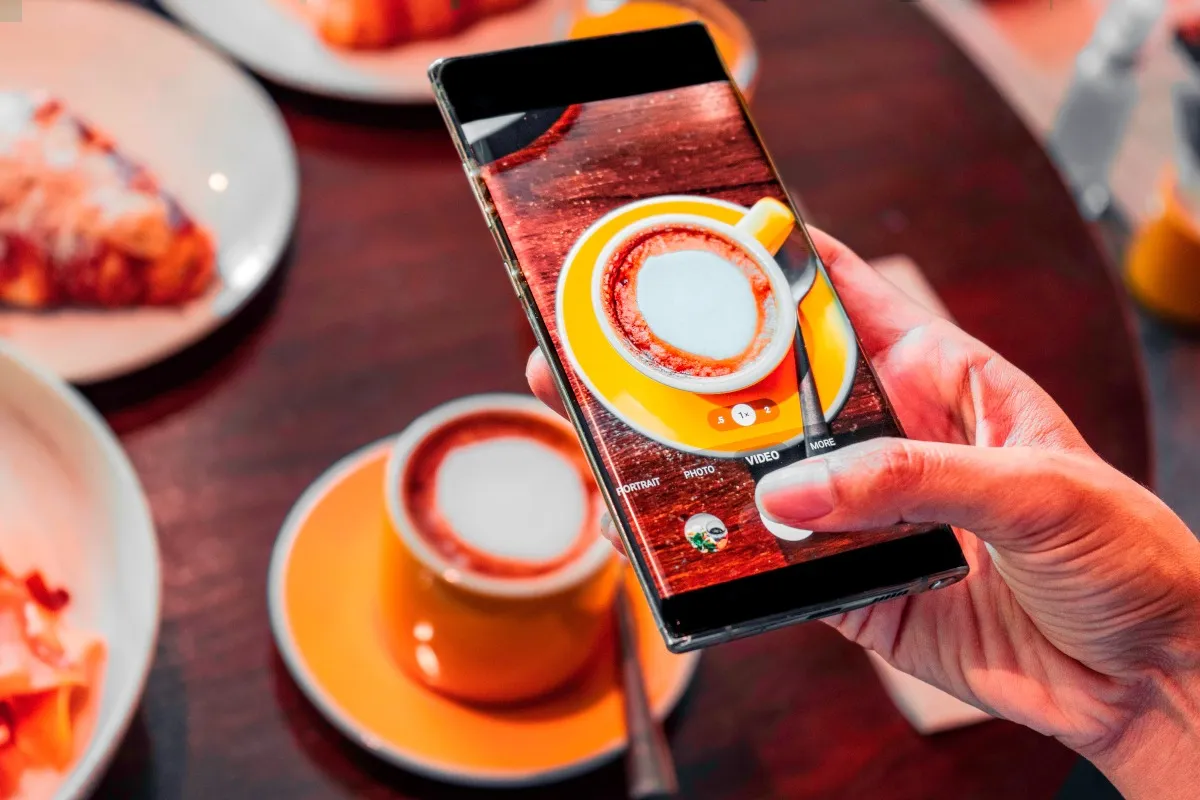
The photography that makes your mate's birthday photos look like they were shot by a professional actively works against you when you're trying to capture embroidered lettering.
There are several reasons why. The first is that smartphone lenses have a fixed minimum focus distance. This means they physically can’t get close enough to a garment's surface to render the fine texture at a useful scale.
Second, the AI-driven noise reduction that modern phones apply as standard actively smooths out the kind of fine, repetitive detail, like stitching or halftone dots in screen printing, that your customers want to see. There’s also the issue of a wide aperture used to let in light which creates a very shallow depth of field at close range. This means only a fraction of your garment's surface will be in sharp focus at any given time.
The result is imagery that looks professional at first glance but fails to communicate the craftsmanship that justifies a higher price. And in ecommerce, that’s enough to kill your conversions.
The solution isn’t a £2k mirrorless camera, although the results would certainly be incredible. Even an entry level used DSLR, when paired with a dedicated macro lens, will outperform the most expensive modern phone for product shots. The more practical and budget-friendly fix is to learn how macro optics work and how they can transform your photos, then invest in specialised macro lenses.
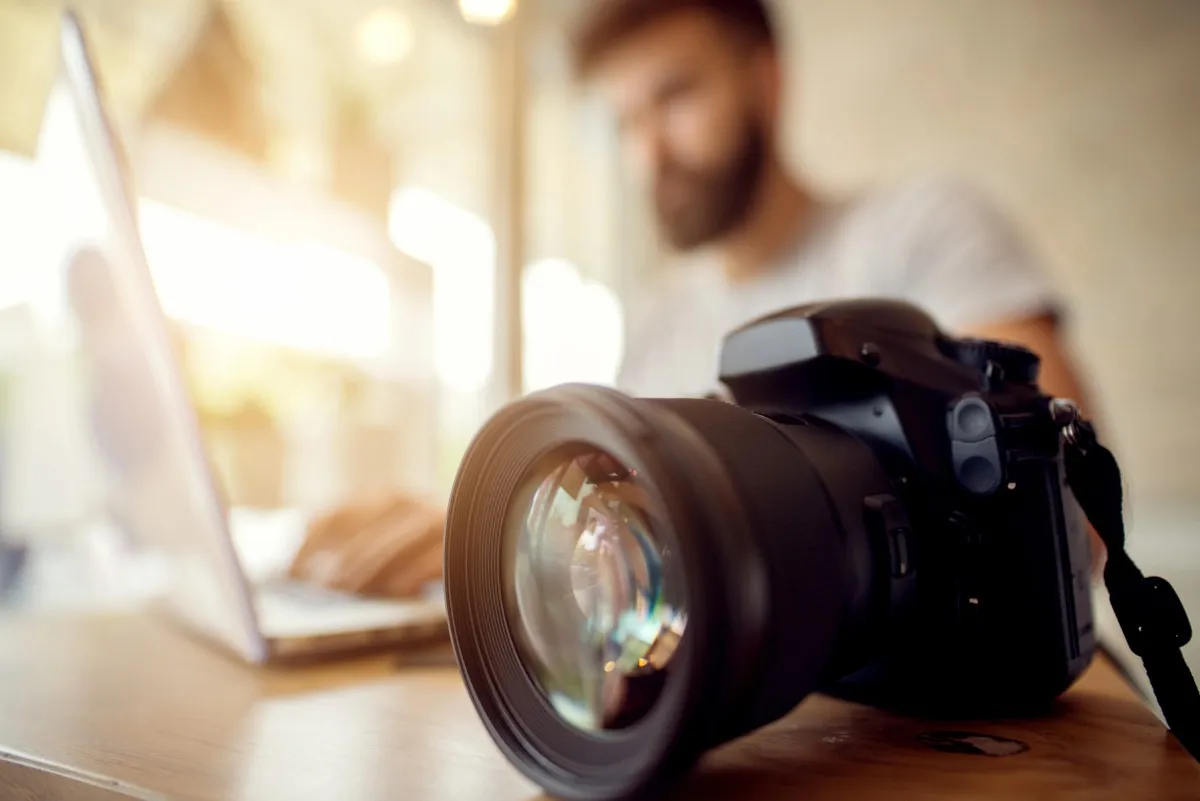
A macro lens is designed to capture subjects at very close range, with maximum sharpness and minimal distortion. When you shoot embroidery through a proper macro setup, you’ll see individual thread counts and superior colour representation. The texture of the garment becomes truly visible, without any of that smoothing that you face with a smartphone, which signals high quality to your buyers.
The good news is that while a brand new, top-of-the-line camera would set you back thousands, you can pick up both a high-quality used camera body and accompanying optics from reputable sellers like MPB, for a fraction of the cost of new. The equipment is all quality checked and delivers the same exceptional shots, but without the huge overheads. This allows you to create quality images in a way that is both financially and environmentally sustainable.
There's a direct connection between investing in better images and increased sales. When a customer can't physically handle a product, photographs have to do the work of conveying tactility and quality. They have to communicate the softness of a t-shirt or the density of the fabric.
These markers are what triggers confidence in the purchase and encourages repeat buyers. Research into e-commerce UX consistently shows that product imagery is the primary driver of purchase decisions, even ahead of price, reviews, and descriptions.
For custom merch specifically, where the whole value proposition is the quality of the branding, poor detail in your images is a particularly damaging oversight. You're essentially asking customers to pay a premium for something they can't properly see or experience. Detailed macro shots, on the other hand, don’t just look better but actively help you sell the product by giving customers the visual information they need to justify the expense.
Your merch deserves to be seen properly, and if you’re serious about boosting your conversions, investing in a better camera setup is worth the time and money to produce better photos that really showcase what you’re selling. The more immersive you can make the experience of shopping online for your customers, the more likely they are to add to cart.
.png)
Happy Customers

Express Service

Star Rating

Quick & friendly custom clothing printers in the UK. From bulk t-shirt printing to corporate workwear, we deliver quality results every time.